
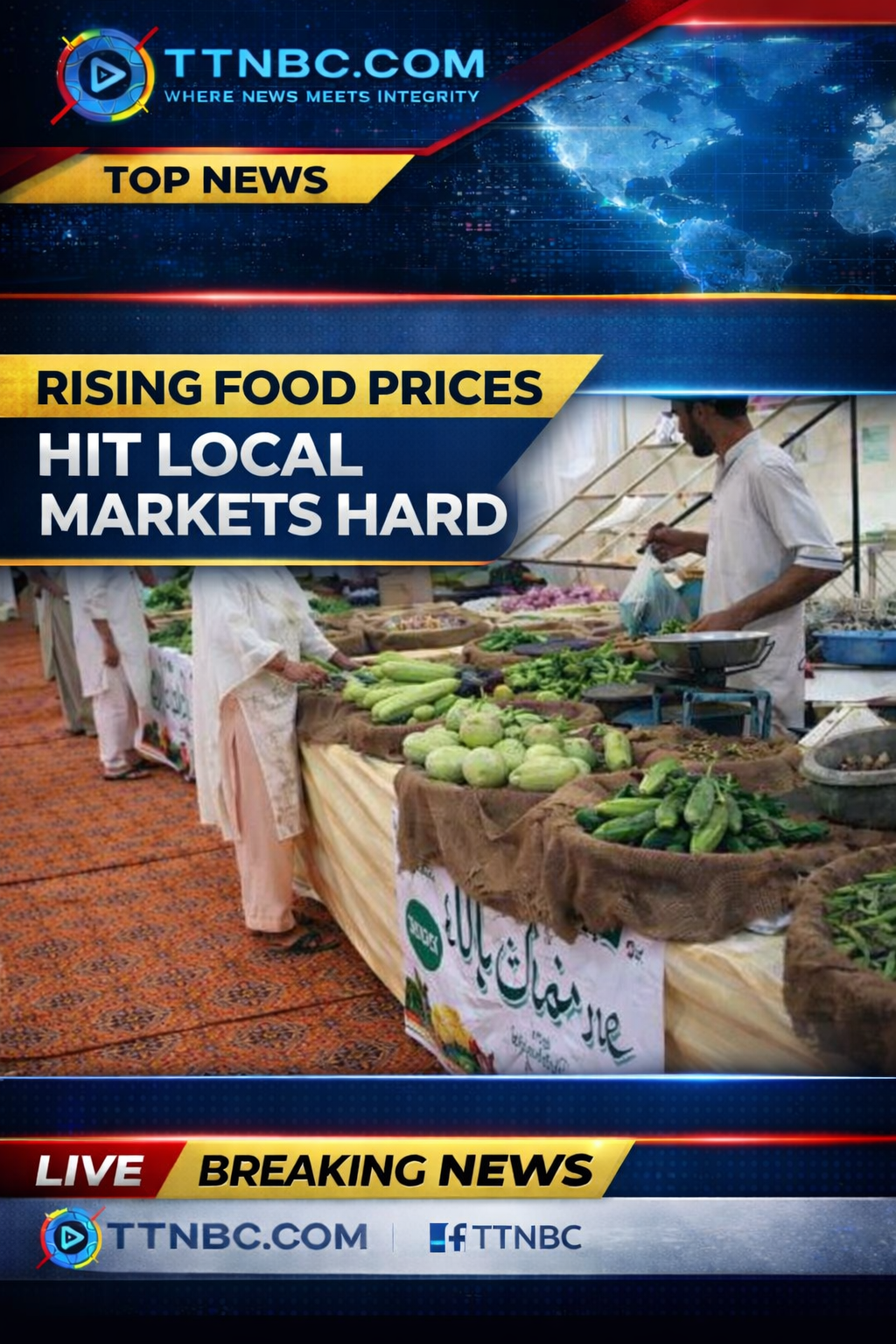
Pakistan,Islamabad – As the holy month of Ramadan 2026 approaches, Pakistani households are facing a growing challenge: the rising cost of essential goods and inflation impacting daily life. With citizens preparing for Ramadan’s spiritual and festive activities, the surge in prices for food staples, grocery items, and cooking essentials has sparked concern across the country.
Analysts report that inflation in Pakistan has reached record levels, affecting commodities such as wheat, sugar, cooking oil, dairy products, and fresh fruits and vegetables. According to the Pakistan Bureau of Statistics, the Consumer Price Index (CPI) has risen significantly over the past few months, directly impacting low and middle-income families who rely on these essentials for their daily meals.
Market surveys conducted in major cities including Karachi, Lahore, and Islamabad indicate that the prices of basic items like flour, rice, pulses, and ghee have increased by more than 15–20% compared to last year. This surge is partly attributed to global supply chain disruptions, local production challenges, and currency depreciation, which have collectively intensified the economic pressure on ordinary citizens.
The rising costs are expected to affect Ramadan shopping patterns, as families prioritize essential food items over luxury goods. Traders in urban markets have reported higher demand for bulk purchases of staple items, while smaller vendors express concern over shrinking profit margins due to the necessity of maintaining competitive prices.
In addition to food, the prices of Eid-related items such as sweets, dates, and decorative goods are also rising. Economic experts warn that the combined effect of inflation and seasonal demand will make this year’s Ramadan a financially challenging period for many households.
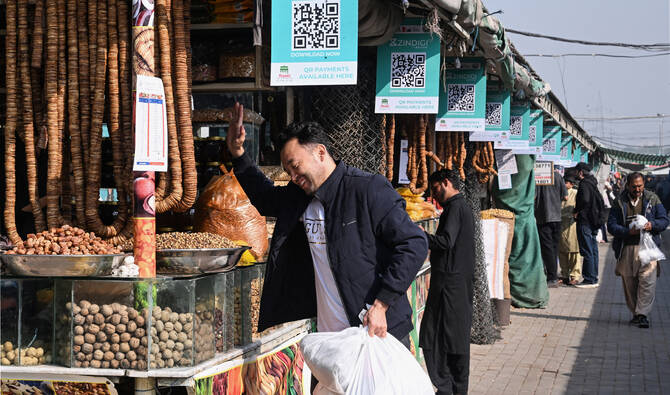
Government officials have announced measures to stabilize the market, including price controls on essential goods and targeted subsidies for low-income families. Despite these efforts, experts suggest that public vigilance is necessary, urging citizens to compare prices, purchase from authorized sellers, and avoid hoarding, which can further exacerbate inflation.
Financial analysts also highlight the importance of budgeting during Ramadan, recommending families to plan their expenditures carefully. Community organizations and charitable groups are stepping in to provide relief, ensuring that vulnerable populations have access to affordable food items during this holy month.
Ramadan is traditionally a time of generosity and community spirit, and despite the economic challenges, many Pakistanis are expected to maintain charitable contributions and host community iftars. However, the ongoing inflation underscores the need for long-term strategies to address the root causes of rising prices and economic instability.
As Pakistan navigates through Ramadan 2026, the interplay between cultural traditions, economic pressures, and government interventions will remain a focal point for citizens and policymakers alike. Observers stress that transparent market monitoring and consistent policy support are crucial to ensuring that Ramadan remains a spiritually fulfilling period rather than a financial strain.