

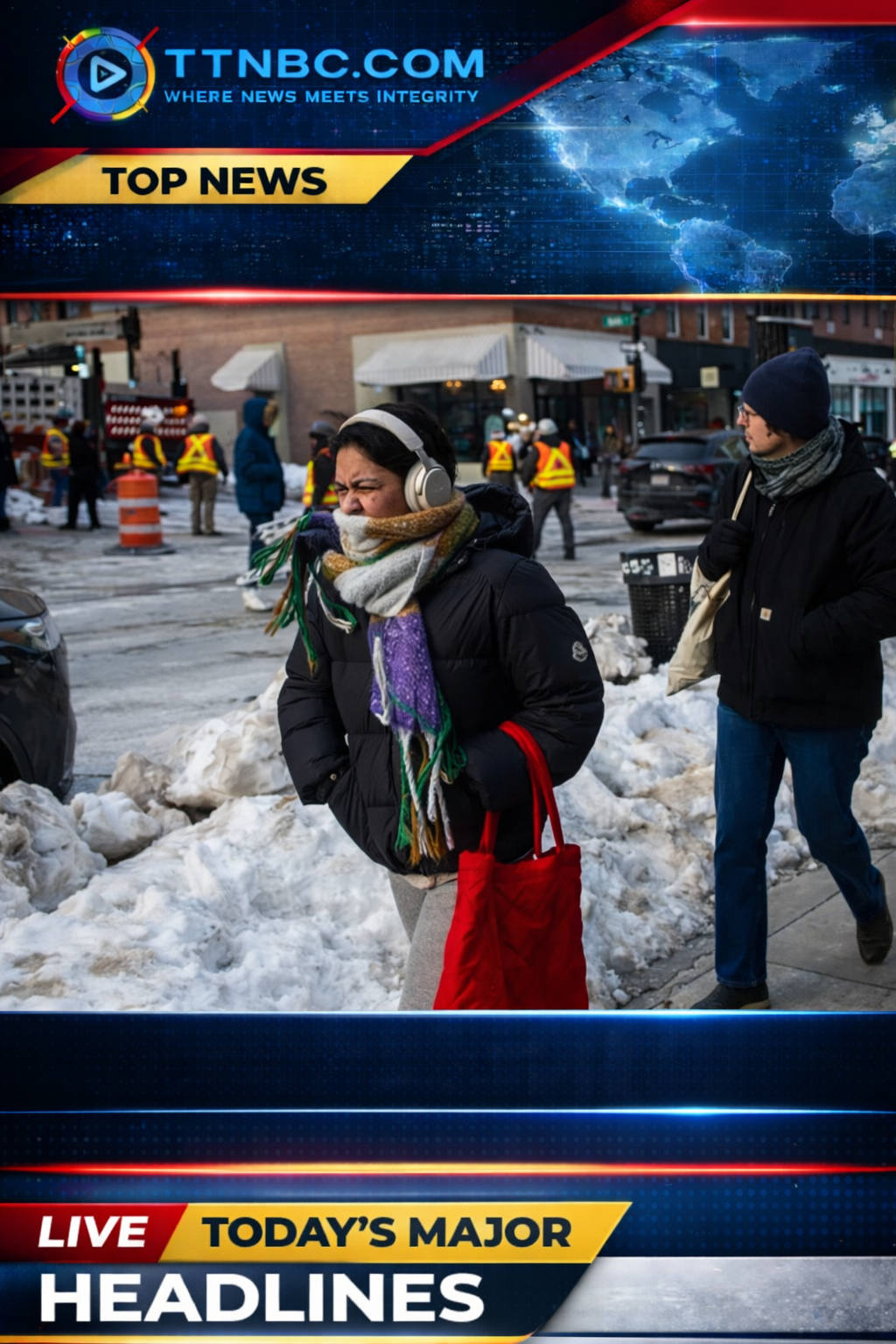
At least 18 people have lost their lives due to an intense and prolonged extreme cold spell in New York City, according to city officials. The deadly cold wave, which began in late January, marked one of the harshest winter periods the city has experienced in nearly 60 years.
For almost two weeks, New York remained gripped by freezing temperatures, with 13 consecutive days at or below 0°C (32°F). Officials say this rare stretch of sub-zero conditions significantly increased health and safety risks, particularly for vulnerable populations.
New York City Mayor Zohran Mamdani confirmed that another individual died over the weekend on city streets, calling the loss of life “deeply tragic.” He expressed condolences to the families affected and urged residents to remain cautious as cold conditions persist.
Although weather forecasts indicate a gradual rise in temperatures, officials warn that readings are still below seasonal averages. Residents have been advised to stay indoors when possible, dress warmly, and look out for neighbors who may be at risk.
To respond to the crisis, the city declared a Code Blue emergency on 19 January, easing entry rules for homeless shelters. Since then, approximately 1,400 people have been placed into emergency shelters. Authorities also expanded shelter capacity by adding 64 hotel rooms and deploying over 150 additional outreach workers across the city.
Earlier reports revealed that at least 10 victims were found outdoors, highlighting the severe dangers posed by prolonged exposure to freezing conditions. Investigations into the remaining deaths are ongoing.
The US National Weather Service (NWS) reported that temperatures are expected to hover near 0°C throughout the week, slightly rising from earlier freezing lows. However, average daytime highs for this time of year are usually closer to 4°C, underscoring the unusual severity of the cold snap.
Meteorologists attributed the extreme conditions to an Arctic air mass, which brought dangerously low wind chill levels. These conditions significantly increased the risk of hypothermia and frostbite, particularly during nighttime hours.
Although the historic 13-day freezing streak ended briefly when temperatures edged above zero, city emergency officials warned that dangers remain. Melting snow and ice could fall from buildings, while wet streets and pavements may refreeze overnight, creating hazardous conditions.
City authorities continue to monitor the situation closely and urge residents to follow safety advisories until temperatures fully stabilize.