

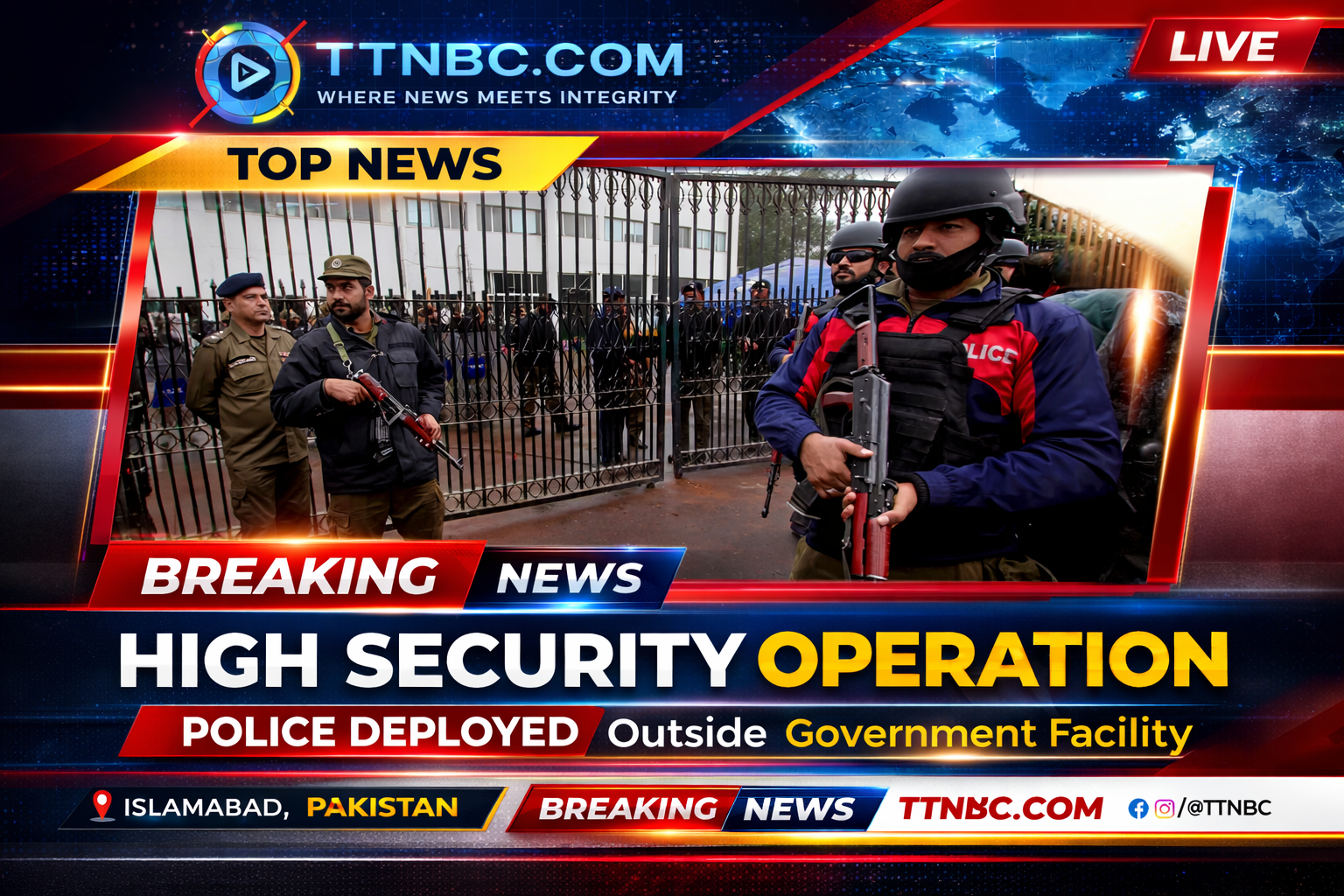
Pakistan , Islamabad –Punjab police extrajudicial killings have surged dramatically in recent months. When officers from Pakistan’s Crime Control Department (CCD) raided Zubaida Bibi’s home in Bahawalpur city last November, they seized mobile phones, cash, gold jewellery, and her daughter’s wedding dowry. Her sons were also taken.
Within 24 hours, five family members were dead, killed in separate “police encounters” across different districts of Punjab – the province that houses more than half of Pakistan’s population. Her sons Imran, 25, Irfan, 23, and Adnan, 18, along with two sons-in-law, were among the victims.
“They broke into our house in Bahawalpur and took everything we owned,” Zubaida told a fact-finding mission from the Human Rights Commission of Pakistan (HRCP).
“We followed them to Lahore and begged for our sons’ release. The next morning, five of them were dead,” she added.
When she later filed a legal petition, Zubaida says police threatened to kill whoever remained in her family if she did not withdraw it.
The family’s account sits at the center of a groundbreaking HRCP report, published on February 17, concluding that Punjab’s CCD is pursuing “a systemic policy of extrajudicial killing in contravention of the law and Constitution.”
The HRCP documented at least 670 “encounters,” resulting in 924 suspected deaths between April 2025, when the unit was formed, and December 2025. The CCD, officially established last April, was mandated to combat serious organized crime. Yet, HRCP describes it as a “parallel police force” operating with near-total impunity, linked to a sharp spike in encounter killings that has raised urgent questions about the rule of law and state accountability.
Farah Zia, HRCP’s director, notes that Punjab has historically seen encounter killings dating back to the 1960s, due to a policing culture where torture and impunity were common. She adds that the practice eventually spread to other provinces, with hundreds of police encounters reported each year, particularly in Sindh.
“That the government continues to rely on short-term, unlawful measures instead of improving forensic investigations, community policing, and prosecution effectiveness has worsened the problem.”
A New Force, a Sharp Rise
Under Punjab Chief Minister Maryam Nawaz Sharif, the CCD was established to realize the provincial government’s “Safe Punjab” vision. It’s a specialized force targeting serious organized crime, inter-district gangs, and hardened offenders that regular police struggle to combat.
Within weeks, police encounters surged across Punjab. More than 900 suspects were killed in eight months. In the same period, two police personnel were killed and 36 injured. By comparison, HRCP’s 2024 report recorded 341 suspect deaths in encounters across Punjab and Sindh combined over the entire year. The CCD, in a single province, more than doubled that toll in less than eight months.
Lahore had the highest concentration with 139 encounters, followed by Faisalabad with 55 and Sheikhupura with 47. Most victims were accused of dacoity and armed gang robbery (366 deaths), followed by robbery (138), narcotics-related crimes (114), and murder (99).
A Familiar Script
HRCP’s investigation shows a typical CCD operation: suspects are intercepted on motorcycles at night or roadblocks, allegedly opening fire first. Police respond, hitting the suspects while accomplices escape under darkness. HRCP identified nearly identical FIR wording across districts, suggesting copy-paste reporting.
Official police media releases also reproduced the same narrative, emphasizing criminal records while omitting procedural details.
Human rights lawyer Asad Jamal said the chief minister has publicly claimed that crime has decreased, implying a policy decision at the highest level. He expressed skepticism over accountability.
“They seem to think lowering crime justifies extrajudicial killings, rather than improving investigations, resources, or intelligence”
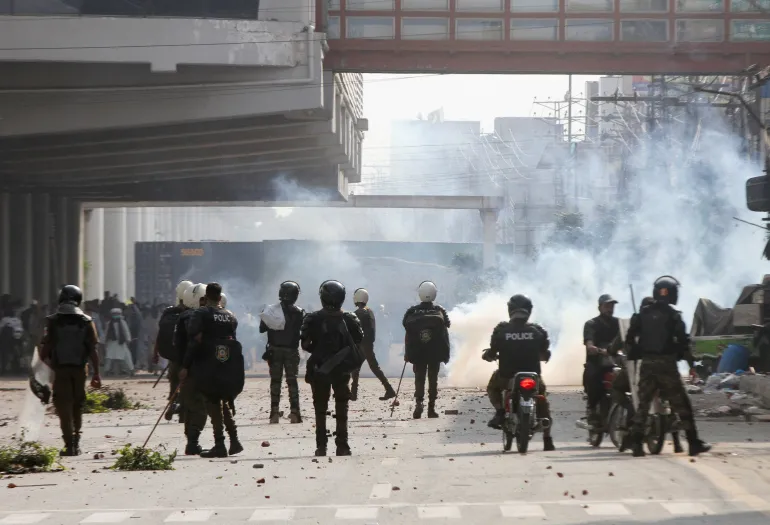
What the Government and Police Say
Court filings claim CCD operations reduced property crimes by over 60% compared to 2024, and dacoity-linked murders fell similarly. The department describes itself as following an “intelligence-driven policing model” dismantling organized gangs.
The HRCP counters that methods matter: addressing crime through execution rather than judicial process undermines the rule of law. Families report being told to bury the dead immediately, blocking independent postmortems. Written requests to senior officials and police went unanswered.
A retired senior Punjab police official attributed the rise to an overburdened, corrupt justice system and political pressure to appear in control. “Court delays and weak prosecutions frustrate the public and police, legitimizing shortcuts like extrajudicial killings,” he said.
A Decade of Encounters
HRCP reports nearly 5,000 encounters nationwide over the past decade, with almost 2,000 in Punjab. From 2020–2023, Punjab had fewer than 400 annually, but in 2024, the toll surged to 1,008. Recent data shows fewer encounters overall, but more fatalities.
HRCP and observers note many cases are staged or “fake encounters,” amounting to extrajudicial killings. Lawyers describe these as remnants of colonial and military-era policing, treating citizens as subjects rather than rights-bearing individuals.
“The Punjab government frames these killings as a path to ‘zero crime,’ but in reality, it normalizes state-sanctioned violence. If unchecked, tomorrow’s targets could include dissidents or innocent bystanders labeled as criminals,” said Rida Hosain, Lahore-based lawyer.